We show what broke
We describe the check-in that fell over under a crowd and the matchmaking that sent everyone to the same people. The fixes are the useful part.
Eventify and ZekoHR are built, hosted and supported by the same engineers you would work with. These studies show how they are put together, which AI decisions held up, and what we would do differently.
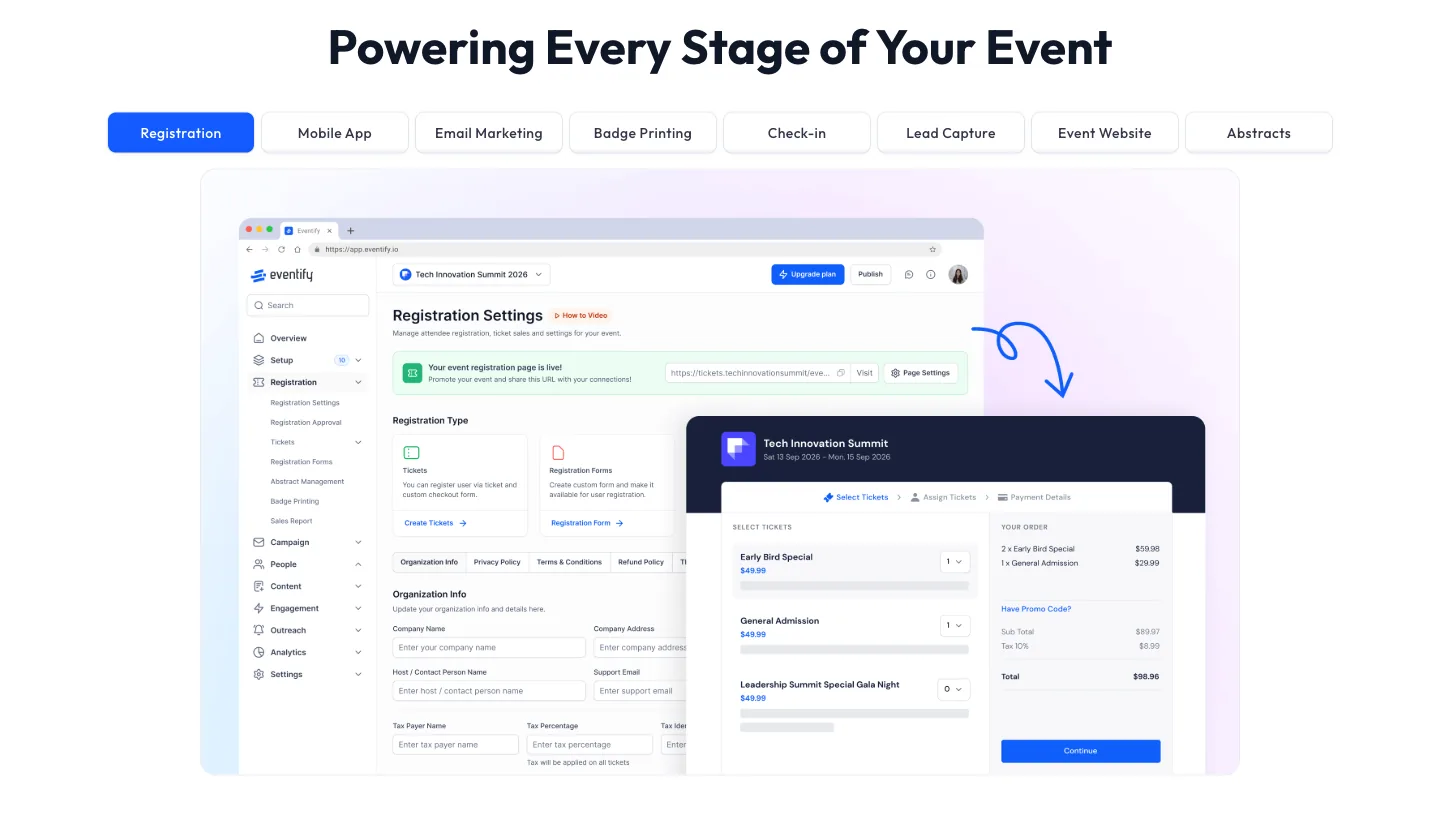
Client work is usually under NDA, so we write about the two platforms we own. Each study follows the same path: the context, the hard part, what we built, the architecture, the decisions that mattered and what it means for your project.
We describe the check-in that fell over under a crowd and the matchmaking that sent everyone to the same people. The fixes are the useful part.
Every study has an architecture figure that shows where data flows, where the tenant boundary sits and where the model is called.
Multi-tenancy, offline-first clients, grounded AI answers and evaluation loops apply well beyond events and HR.
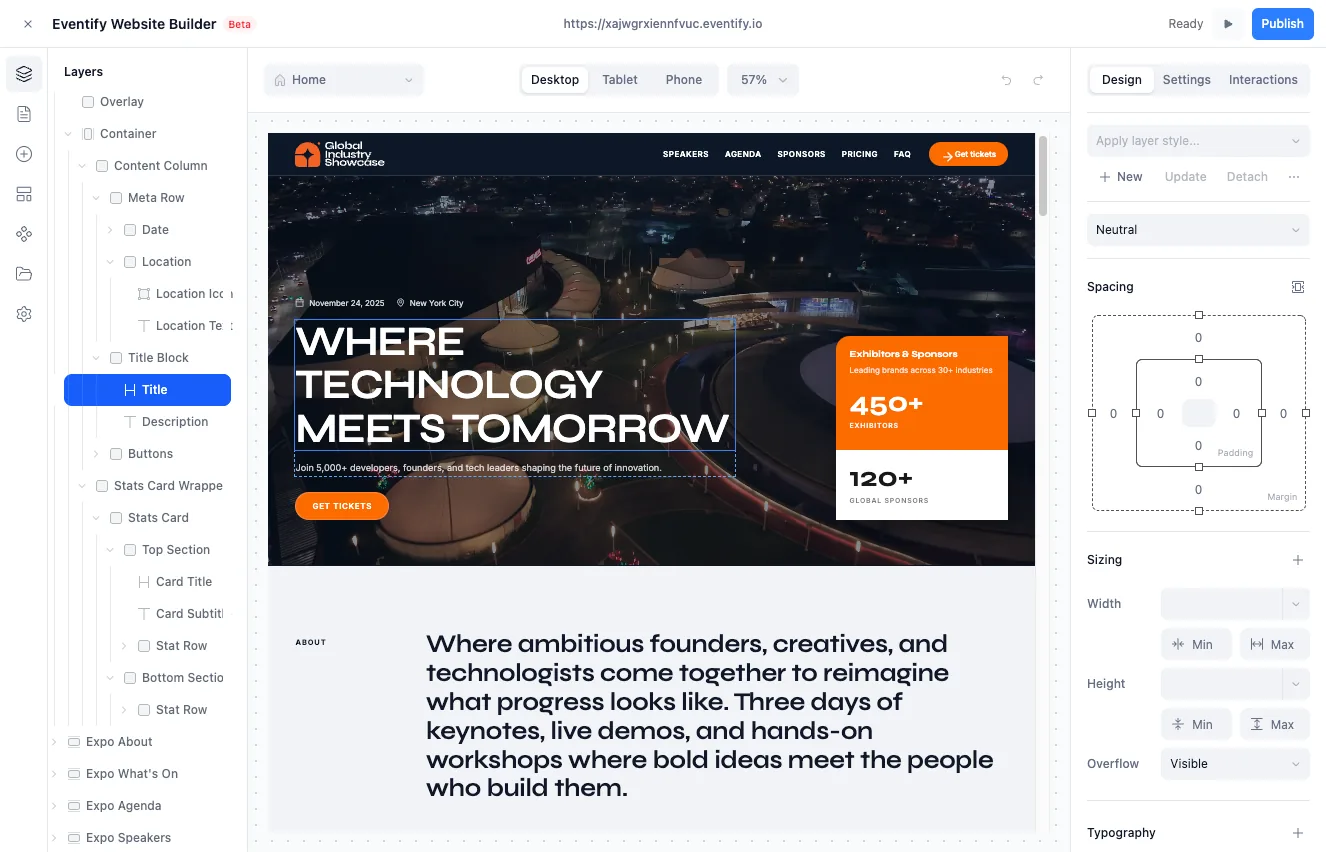
Native apps, organiser admin and a tenant-scoped API that lets one backend serve many branded events without leaks.
Read the study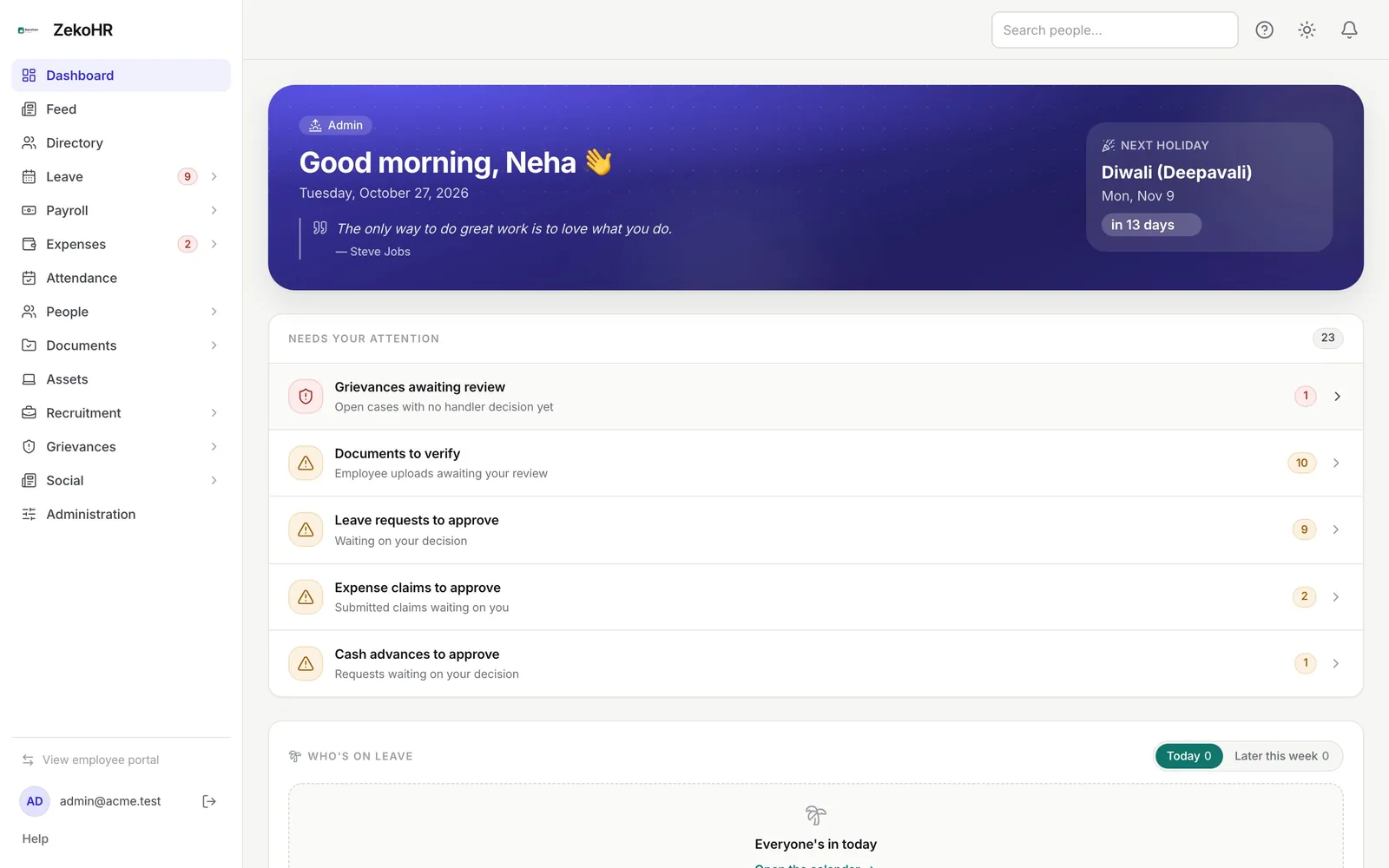
Payroll, attendance, recruitment, documents, expenses and grievances, with isolation enforced in one place.
Read the study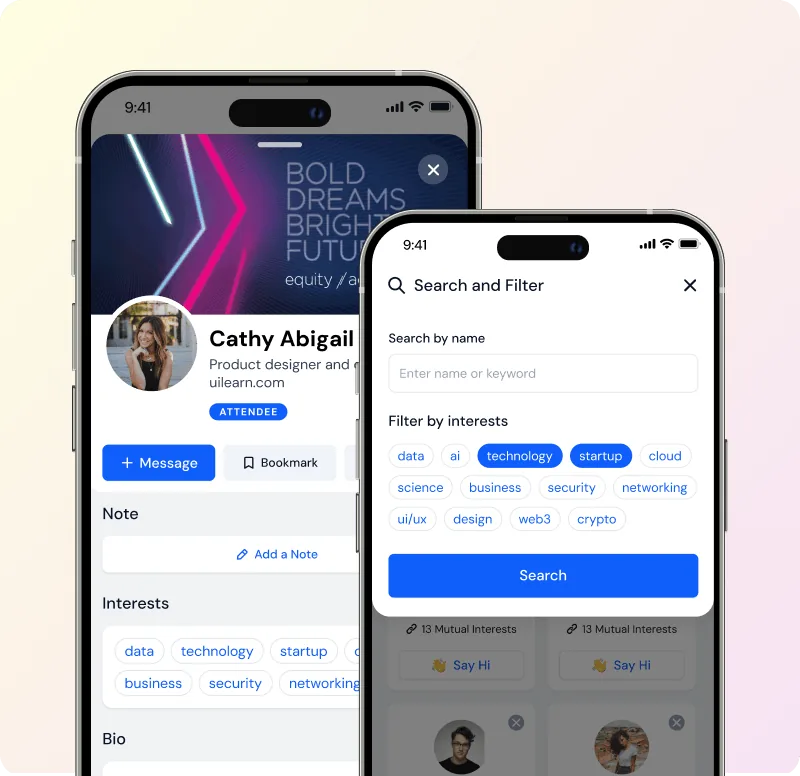
Embeddings for recall, rules for fairness and an LLM that only writes the reason, never the ranking.
Read the study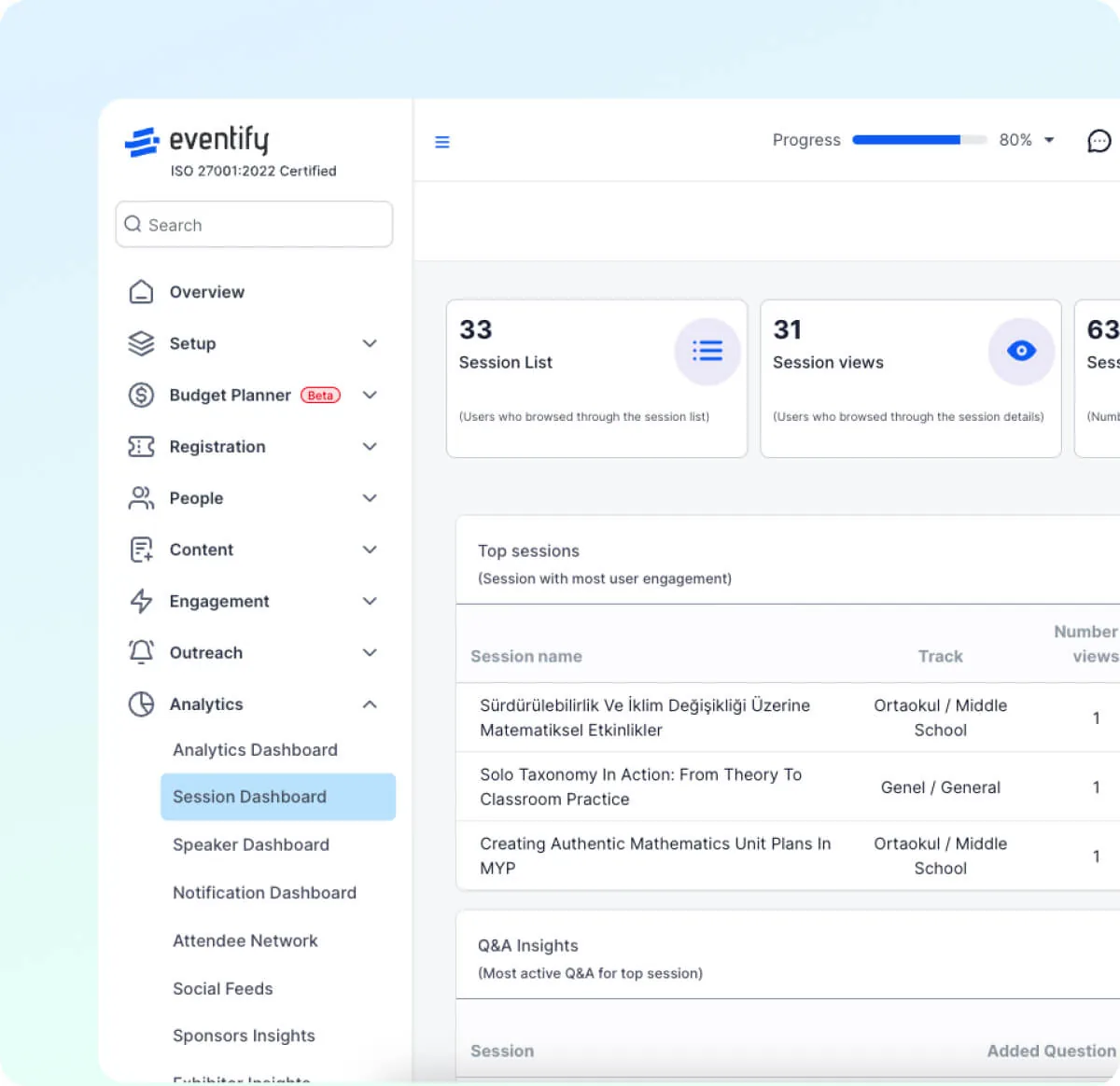
Two-pass transcription with vocabulary pulled from the agenda, then summaries that feed search and the support bot.
Read the study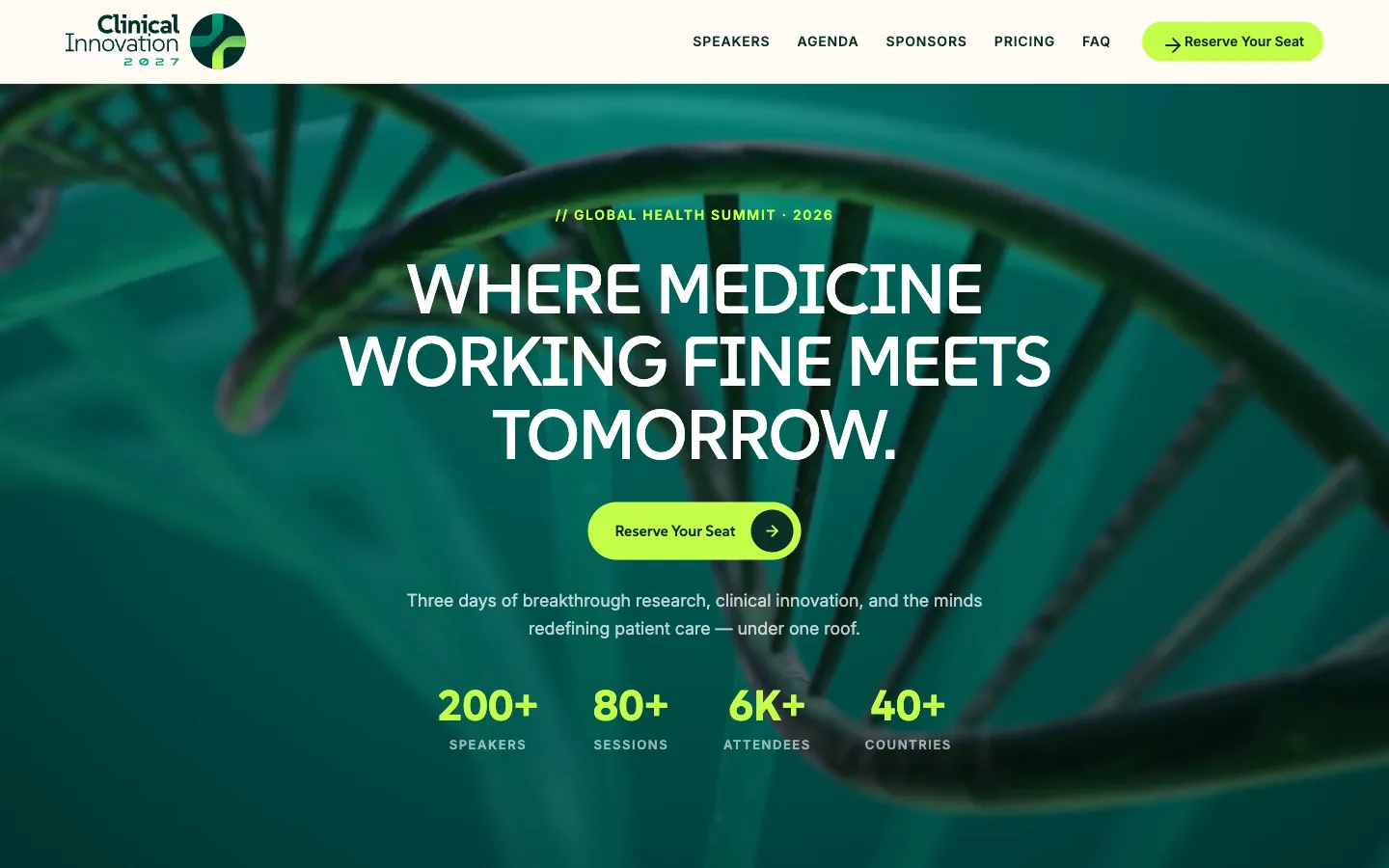
Retrieval filtered by tenant and event, live tools for anything time-sensitive, and a clean handoff to humans.
Read the study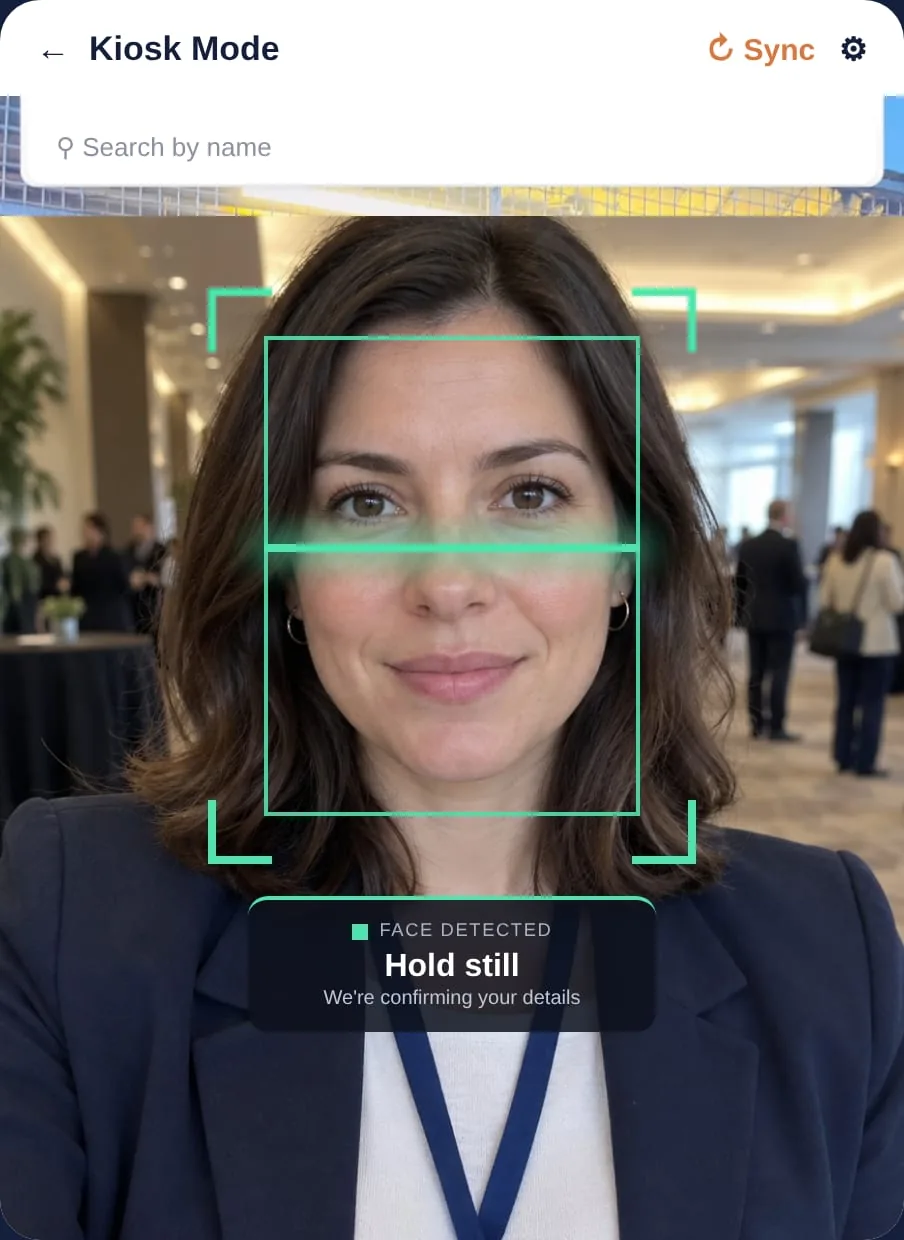
A local-first desktop app that keeps printing and checking people in when the venue Wi-Fi gives up.
Read the studyEvery feature in these studies went through a short written spec before code, was built in two-week sprints and was tested at a live event before we called it done. We run client work the same way: a discovery sprint, a fixed statement of work where the scope allows it, and senior engineers who stay on the project.
Apps, registration, check-in, kiosks and AI for events, built on what Eventify taught us.
ExploreRecruitment screening, policy copilots and workflow automation, informed by running ZekoHR.
ExploreThe grounded-answer pattern behind the Eventify support bot, applied to your documents and systems.
ExploreMost client engagements are covered by confidentiality agreements, so we cannot publish their architecture. Eventify and ZekoHR are ours, which means we can show the real decisions, the trade-offs and the parts that went wrong before they went right. Client references are available on request during a scoping call.
No. These two products are where we run our own engineering in production every day, so they make the most honest case studies. The same team delivers AI services, Salesforce work and custom software across many sectors.
Often, yes. The matchmaking engine, the speech-to-text pipeline, the support bot and the kiosk are designed as services behind a tenant boundary, so they can be licensed as part of a white-label platform or rebuilt to fit your stack under an engagement model that suits you.
Tell us what you are trying to do, which systems are involved and what is in the way. We reply within one business day with an opinion and a suggested next step.